

How to Register an LLP in India: Step-by-Step Guide for Entrepreneurs
Limited Liability Partnerships (LLPs) have gained popularity among Indian entrepreneurs as they combine the benefits of a partnership and a corporate structure. Offering limited liability to partners and flexibility in operations, LLPs are ideal for startups and small businesses looking for a cost-effective and manageable business structure.
In this blog, we’ll guide you through the step-by-step process of registering an LLP in India, highlighting the benefits, required documents, and key considerations.
What is an LLP?
A Limited Liability Partnership is a business structure governed by the LLP Act, 2008, which combines the operational flexibility of a partnership with the limited liability of a company. It is a legal entity separate from its partners, which ensures personal assets are protected against business liabilities.
Why Choose an LLP?
- Limited Liability Protection: Partners are not personally liable for the debts of the LLP.
- Separate Legal Entity: The LLP can own assets and sue or be sued in its name.
- Operational Flexibility: No stringent compliance requirements like in a private limited company.
- Tax Benefits: LLPs are exempt from dividend distribution tax (DDT).
- No Minimum Capital Requirement: Start with any amount of capital.
Step-by-Step Guide to Registering an LLP in India
- Obtain Digital Signature Certificates (DSC)
- All designated partners must have a valid Digital Signature Certificate to file the LLP registration application online.
- Authorized certifying agencies issue DSCs.
- Apply for Director Identification Number (DIN)
- Designated partners must have a DIN.
- DIN can be applied for using the SPICe+ form or directly through the LLP registration process.
- Name Reservation
- Propose a unique name for your LLP using the RUN-LLP (Reserve Unique Name) form on the MCA (Ministry of Corporate Affairs) portal.
- Ensure the name complies with the Companies (Incorporation) Rules, 2013 and is not identical to existing trademarks or company names.
- Prepare and File the Incorporation Form
- Fill out FiLLiP (Form for incorporation of LLP) with details such as:
- Name of the LLP
- Business activities
- Registered office address
- Details of partners and their contributions
- Upload required documents, such as:
- ID and address proof of partners
- Consent of partners
- Proof of registered office (e.g., utility bills, rent agreement).
- Fill out FiLLiP (Form for incorporation of LLP) with details such as:
- Execute LLP Agreement
- Draft the LLP Agreement, which governs the mutual rights and responsibilities of partners.
- The agreement must be filed with the Registrar within 30 days of incorporation using Form 3.
- Certificate of Incorporation
- Upon successful verification of the application, the Registrar issues the Certificate of Incorporation for the LLP.
- Obtain PAN and TAN
- Apply for the Permanent Account Number (PAN) and Tax Deduction and Collection Account Number (TAN) for your LLP.
- Open a Bank Account
- Use the Certificate of Incorporation and PAN to open a current bank account in the name of the LLP.
Documents Required for LLP Registration
- For Designated Partners:
- PAN card
- Aadhaar card
- Address proof (e.g., electricity bill, bank statement)
- Passport-sized photographs
- For Registered Office:
- Rent agreement or ownership documents
- Utility bill (not older than 2 months)
- NOC from the owner
- LLP Agreement:
- Details of partners’ contributions
- Profit-sharing ratio
- Rules for management and operation
Compliance Requirements for LLPs
Once registered, LLPs must adhere to certain annual compliance requirements, including:
- Filing Annual Return (Form 11) with the MCA.
- Submitting Statement of Accounts and Solvency (Form 8).
- Filing income tax returns.
Advantages of Registering an LLP
- Simplified compliance compared to private limited companies.
- Flexibility in operations and decision-making.
- Protection of personal assets due to limited liability.
- Cost-efficient for small businesses and startups.
Conclusion
Registering an LLP in India is a straightforward process that offers numerous advantages for entrepreneurs seeking a flexible yet protected business structure. By following the outlined steps and ensuring compliance with legal requirements, you can set up a robust foundation for your business.
Expenect connects you with top Chartered Accountants and legal professionals to simplify the LLP registration process. Get started today to make your entrepreneurial journey hassle-free!
Call to Action
Need assistance with LLP registration? Visit Expenect and connect with experts who can guide you through the process. Safeguard your business and unlock growth potential today!

Trademark Registration in India: Why It’s Essential for Your Business
In today’s competitive business landscape, protecting your brand is more crucial than ever. A trademark is not just a logo or a name—it’s the identity of your business, encapsulating its reputation, values, and promise to customers. In India, registering a trademark ensures that your brand remains exclusively yours, safeguarding it against misuse and unauthorized use. This blog explores why trademark registration is essential for your business and provides insights into its benefits and process.
What Is a Trademark?
A trademark is a symbol, word, phrase, design, or combination thereof that identifies and distinguishes the goods or services of one business from another. Examples include brand names, slogans, logos, and even unique sounds. In India, trademarks are governed by the Trademark Act, 1999, which provides legal protection and rights to registered owners.
Why Is Trademark Registration Essential?
- Legal Protection
Trademark registration gives you exclusive rights to use your brand name or logo in connection with your goods or services. It also provides a legal framework to take action against infringement. - Brand Recognition
A trademark makes your business easily recognizable to customers. Registered trademarks create a sense of trust and reliability among consumers, setting you apart from competitors. - Prevention of Unauthorized Use
Registering your trademark prevents others from using your brand identity, safeguarding your intellectual property from competitors or counterfeiters. - Asset Creation
A trademark is a valuable intangible asset. As your business grows, the trademark’s value appreciates, and it can be sold, franchised, or licensed for revenue generation. - Global Expansion
A registered trademark in India can serve as a foundation for international trademark registration under treaties like the Madrid Protocol, facilitating global brand recognition. - Customer Trust and Loyalty
A trademark reflects the authenticity and quality of your products or services, helping build trust and loyalty among your customers.
The Process of Trademark Registration in India
- Trademark Search
Before applying, conduct a comprehensive search on the Indian Trademark Registry database to ensure that your desired trademark is unique and not already registered. - Filing the Application
- Submit the application online or offline through the official portal of the Controller General of Patents, Designs, and Trademarks.
- Include details like the applicant’s name, address, trademark description, and class of goods/services.
- Examination by the Registrar
The Registrar examines the application to ensure compliance with trademark laws. If objections arise, the applicant must respond with justifications. - Publication in the Trademark Journal
Upon approval, the trademark is published in the journal for public opposition. If no objections are raised within 4 months, it proceeds to registration. - Trademark Registration Certificate
Once approved, the Registrar issues a certificate of registration, granting the applicant exclusive rights over the trademark for 10 years (renewable).
Common Misconceptions About Trademarks
- A trademark is only for big businesses.
Wrong! Trademarks are equally crucial for startups and small businesses to establish brand identity and protect their intellectual property. - Registration is too complex.
While the process involves multiple steps, legal professionals and experts can simplify it for you. - Only logos can be trademarked.
Trademarks can also include names, slogans, sounds, and even colors associated with your brand.
Conclusion
Trademark registration is more than a legal formality—it’s a strategic move to protect your brand, foster customer trust, and secure your business’s future growth. By investing in a trademark, you ensure that your business stands out in the crowded marketplace while gaining a competitive edge.
If you’re ready to protect your brand and register your trademark, Expenect connects you with the best Chartered Accountants and legal professionals in India to make the process seamless.

Top Chartered Accountants in Mumbai: A Complete Guide to Financial Excellence
Top Chartered Accountants in Mumbai: A Complete Guide to Financial Excellence
Mumbai, the financial capital of India, is home to a thriving ecosystem of businesses, startups, and professionals. Amid the fast-paced economy, the demand for reliable financial management and compliance has surged. This is where Chartered Accountants (CAs) step in, playing a pivotal role in guiding businesses and individuals toward financial stability and growth.
In this guide, we’ll explore the essential services provided by CAs in Mumbai, their importance, and how Expenect can connect you with the best professionals in the city.

Why Businesses and Individuals Need a CA in Mumbai
Whether you’re a startup, an MSME, or an individual seeking tax savings, a Chartered Accountant can make a significant difference by:
- Ensuring Compliance: CAs ensure your business adheres to ever-changing financial regulations.
- Saving Time and Money: They identify tax-saving opportunities and streamline financial processes.
- Offering Expert Advice: From business structuring to investment planning, their insights help you make informed decisions.
Key Services Offered by CAs in Mumbai
CAs in Mumbai cater to diverse financial and compliance needs. Here’s an overview of their key services:
1. Taxation Services
- Income tax return (ITR) filing
- GST registration and filing
- Tax planning for individuals and businesses
- Resolving tax disputes
2. Accounting Services
- Bookkeeping and reconciliation
- Payroll management
- Preparation of financial statements
- Budgeting and cash flow analysis
3. Audit Services
- Statutory audits for companies
- Internal audits to optimize operations
- Tax audits to ensure compliance
- Forensic audits for fraud detection
4. Business Advisory Services
- Business registration and setup
- Virtual CFO services
- Financial planning and forecasting
- Risk management and investment guidance
5. Licensing and Compliance
- Company incorporation (LLP, Pvt Ltd, etc.)
- Trademark and intellectual property registration
- MSME registration for small businesses
Key Business Hubs in Mumbai for CA Services
Mumbai is a bustling city with a variety of industries. Here are some prominent areas where you can find top-tier CAs:
- Nariman Point: The financial hub for large corporations and high-net-worth individuals.
- Andheri East: Ideal for startups and SMEs seeking professional financial guidance.
- Lower Parel: A hotspot for new-age businesses, coworking spaces, and creative firms.
- Thane: Growing industrial and business hub with a demand for specialized CA services.
- Bandra-Kurla Complex (BKC): Known for multinational companies and top financial institutions.
How to Choose the Right CA in Mumbai
With numerous CAs offering services, choosing the right one can be overwhelming. Here are some tips to help:
- Understand Your Needs: Be clear about whether you need tax filing, compliance, or business advisory services.
- Verify Credentials: Ensure the CA is registered with the Institute of Chartered Accountants of India (ICAI).
- Check Experience: Choose a CA who specializes in your industry or business size.
- Read Reviews: Look for testimonials and feedback from other clients.
- Assess Accessibility: A CA who communicates effectively and is available when needed can make a significant difference.
How Expenect Simplifies Your Search for CAs in Mumbai
At Expenect, we make it easy to find the perfect Chartered Accountant in Mumbai. Here’s how we help:
- Verified Profiles: All CAs listed are thoroughly vetted to ensure reliability.
- Custom Search Filters: Narrow down your search by location, services, and expertise.
- Quick Connections: Get matched with a CA in minutes and begin your consultation.
- Transparent Process: No hidden fees—just straightforward connections to trusted professionals.
Why Mumbai Businesses and Individuals Trust Expenect
- Local Expertise: CAs with deep knowledge of Mumbai’s business landscape.
- Wide Network: Access a vast directory of experienced professionals.
- User-Friendly Platform: Easy to use, even for first-time users.

How to Simplify Compliance and Filing for Small Businesses
How to Simplify Compliance and Filing for Small Businesses
Compliance and filing requirements can be daunting for small businesses, especially when juggling daily operations. However, staying compliant is essential for avoiding penalties, maintaining credibility, and ensuring smooth operations. With strategic planning and the right tools, MSMEs can simplify these processes. Here’s how small businesses can streamline compliance and filing effectively.
1. Understand Your Compliance Obligations
The first step to simplifying compliance is understanding what is required based on your business type, industry, and location. Key areas include:
- Tax Compliance: Ensure timely filing of income tax, GST, and other applicable taxes.
- Employee Laws: Comply with payroll taxes, employee benefits, and labor laws.
- Annual Filings: Submit annual reports, financial statements, and other statutory documents.
- Licensing and Permits: Keep industry-specific licenses and permits updated.
Tip: Create a checklist of mandatory compliance tasks to avoid missing deadlines.
2. Leverage Technology for Automation
Digital tools and software can reduce the manual effort involved in compliance and filing:
- Accounting Software: Tools like QuickBooks or Zoho Books automate bookkeeping and tax calculations.
- Compliance Management Software: Platforms like ClearTax and VakilSearch help track compliance tasks and filing deadlines.
- Document Management Systems: Centralize and organize important files digitally for quick access.
Tip: Choose solutions tailored to your business needs for maximum efficiency.
3. Maintain Accurate Records
Accurate record-keeping is critical for compliance and simplifies the filing process. Ensure you:
- Organize Documents: Categorize invoices, receipts, contracts, and tax forms systematically.
- Track Expenses: Use digital apps to monitor business expenses in real-time.
- Backup Data: Store important records in the cloud to prevent loss or damage.
Tip: Dedicate time weekly or monthly to update records to avoid last-minute stress.
4. Outsource Compliance Tasks to Experts
Small businesses often lack the time or expertise to handle complex compliance requirements. Outsourcing to professionals can save time and reduce errors:
- Hire a CA or Tax Consultant: They can handle tax filings, audits, and compliance checks.
- Engage Legal Experts: For business registrations, intellectual property filings, or contracts.
- Virtual CFO Services: Access expert financial guidance without the cost of a full-time CFO.
Tip: Choose consultants with experience in your industry for tailored advice.
5. Schedule Regular Compliance Audits
Periodic audits ensure your business stays compliant and helps identify potential risks:
- Internal Audits: Conduct regular checks to review processes and spot errors.
- External Audits: Engage third-party auditors for an unbiased review of financial and operational compliance.
Tip: Use audit findings to improve workflows and fix compliance gaps.
6. Stay Updated with Regulatory Changes
Regulations evolve frequently, and staying informed is essential to avoid non-compliance:
- Subscribe to Updates: Follow government websites and industry newsletters.
- Join Professional Networks: Attend webinars or workshops to learn about new laws.
- Seek Expert Advice: Regularly consult with your CA or legal advisor to stay ahead of changes.
Tip: Assign a team member to monitor and communicate regulatory updates.
7. Plan Ahead for Deadlines
Missed deadlines can lead to penalties and compliance issues. Organize your calendar:
- Set Reminders: Use tools like Google Calendar or project management apps for filing dates.
- Create a Filing Schedule: Plan tasks well in advance to avoid last-minute rushes.
- Prioritize Critical Deadlines: Focus on high-priority filings such as tax returns and employee contributions.
Tip: Build a buffer period before deadlines to address unexpected issues.
8. Train Your Team
Your employees play a vital role in maintaining compliance. Regular training can ensure they understand their responsibilities:
- Educate on Processes: Teach team members about invoice management, expense tracking, and documentation.
- Highlight Consequences: Stress the importance of accuracy and timeliness to avoid penalties.
Tip: Incorporate compliance training into onboarding programs for new hires.
Conclusion
Simplifying compliance and filing for small businesses requires a proactive approach, effective use of technology, and expert support. By staying organized, leveraging automation, and seeking professional help, MSMEs can reduce their compliance burden and focus on growth. Regular audits and team training further strengthen compliance practices, ensuring long-term success.
For tailored compliance solutions, consider consulting with financial and legal experts to streamline your processes.

Top 5 Tax-Saving Tips for Small Businesses and Startups

Top 5 Tax-Saving Tips for Small Businesses and Startups
Tax savings can significantly impact the bottom line for small businesses and startups. By leveraging available deductions, credits, and smart planning, businesses can reduce their tax liabilities and retain more earnings for growth. Here are five essential tax-saving tips to help small businesses and startups navigate their financial responsibilities more effectively.
1. Utilize Tax Deductions to Lower Your Taxable Income
Small businesses and startups can take advantage of various deductions to reduce their taxable income. Common deductions include:
- Business Expenses: Deduct costs related to operations, such as rent, utilities, office supplies, and salaries.
- Home Office Deduction: If you operate from a dedicated space at home, you can deduct a portion of your rent, utilities, and internet expenses.
- Startup Costs: In many regions, businesses can deduct expenses incurred before launching, such as market research, advertising, and legal fees.
💡 Tip: Keep detailed records of all expenses to ensure you can substantiate deductions during audits.
2. Leverage Depreciation Benefits
Investments in assets like machinery, computers, furniture, and vehicles can be depreciated over time, reducing your taxable income. Accelerated depreciation methods, allow businesses to claim larger deductions in the year the asset is purchased.
💡 Tip: Consult with a tax advisor to maximize depreciation benefits while complying with local tax laws.
3. Take Advantage of Tax Credits
Tax credits directly reduce your tax liability and can significantly lower the amount owed. Some common tax credits include:
- R&D Tax Credits: For businesses engaged in research and development activities.
- Hiring Credits: Incentives for hiring veterans, disabled individuals, or workers from specific groups.
- Energy Efficiency Credits: For businesses investing in energy-efficient equipment or renewable energy systems.
💡 Tip: Stay updated on available credits by regularly consulting with a tax professional or checking government resources.
4. Optimize Your Business Structure
Your business structure can significantly affect your tax obligations.
- Sole Proprietorship vs. Corporation: Some structures may allow for pass-through taxation, while others provide benefits like lower corporate tax rates.
- LLC Tax Flexibility: Limited Liability Companies (LLCs) can choose how to be taxed, potentially saving money depending on income levels.
💡 Tip: Periodically review your structure with a financial advisor to ensure it remains aligned with your business goals and tax efficiency.
5. Plan for Retirement with Tax-Advantaged Accounts
Contributing to retirement accounts for yourself and employees can reduce taxable income while helping build future savings. Options include:
- 401(k) Plans: Contributions are tax-deductible, and growth is tax-deferred.
- SEP IRAs: Ideal for self-employed individuals and small businesses, offering high contribution limits.
💡 Tip: Use retirement planning as a dual strategy for reducing taxes and attracting talent with competitive benefits.
Bonus Tip: Partner with a Tax Consultant
Tax laws and regulations change frequently, making it challenging for businesses to stay compliant while maximizing savings. Working with a tax consultant ensures you don’t miss out on deductions, credits, or strategies tailored to your business needs.
Conclusion
Effective tax planning is a cornerstone of financial success for small businesses and startups. By taking advantage of deductions, credits, depreciation, optimized business structures, and retirement contributions, you can reduce your tax burden and invest more in your company’s growth. For personalized guidance and strategic planning, consider consulting a tax expert to unlock even greater savings.

The Importance of Financial Strategy for Startups: Key Areas to Focus On
Building a startup is an exciting venture, yet it comes with financial complexities that demand strategic planning. Without a well-defined financial strategy, startups risk exhausting resources, stalling growth, and facing sustainability issues. Financial consultancy services can provide startups with the roadmap they need to navigate financial challenges. Below, we’ll explore essential areas where financial strategy is vital for startup success and how consulting can enhance each aspect.
1. Budgeting and Forecasting
Why It Matters:
Startups often have limited funds and face fluctuating revenue during their early stages, making careful budgeting essential. Forecasting helps anticipate future cash flows, prepare for potential obstacles, and set realistic financial goals.
Consultant’s Role:
Financial consultants can:
- Assist in Preparing Detailed Budgets: Advisors help track expenditures and income, ensuring funds are allocated wisely.
- Guide in Revenue Projections: By analyzing market trends and historical data, consultants can help develop accurate revenue projections.
- Adapt Forecasts for Growth Plans: Startups evolve quickly, and consultants can adjust forecasts to reflect new funding, expansions, or market shifts.
2. Cash Flow Management
Why It Matters:
Cash flow is the lifeblood of any startup. Issues with delayed payments or unexpected expenses can disrupt operations. Effective cash flow management ensures that a business has enough liquidity to meet its obligations and continue growing.
Consultant’s Role:
Financial consultants can:
- Create Cash Flow Plans: Advisors set up frameworks to track and project cash inflows and outflows, identifying periods when liquidity may be tight.
- Establish Payment Policies: Consultants assist in setting up payment terms, invoicing practices, and collection processes that encourage timely payments.
- Optimize Expense Management: Financial experts help startups minimize expenses without sacrificing quality, ensuring funds are used efficiently.
3. Fundraising and Capital Structuring
Why It Matters:
Whether from angel investors, venture capital, or loans, securing funding is essential for growth. However, the wrong type of funding or poorly managed capital structuring can create debt burdens or lead to the dilution of ownership.
Consultant’s Role:
Financial consultants can:
- Identify the Right Funding Sources: Advisors evaluate business needs and help secure funding from sources that align with the startup’s goals.
- Prepare Financial Documents for Investors: Consultants prepare comprehensive financial projections and reports that demonstrate the startup’s potential, making a stronger case for funding.
- Optimize Capital Structure: Financial experts advise on a mix of equity and debt to ensure growth without over-leveraging the business.
4. Tax Planning and Compliance
Why It Matters:
Startups must navigate various tax obligations, which, if mishandled, can lead to penalties. Tax planning allows startups to take advantage of available deductions and credits, optimizing their tax situation to conserve cash.
Consultant’s Role:
Financial consultants can:
- Ensure Tax Compliance: Advisors help startups meet all tax filing deadlines and reporting requirements, reducing the risk of penalties.
- Identify Tax Savings Opportunities: Consultants identify deductions, credits, and other opportunities for tax savings relevant to the startup’s activities and industry.
- Plan for Future Tax Obligations: By forecasting future income and expenses, consultants can advise on tax strategies that will reduce burdens as the business grows.
5. Risk Management and Contingency Planning
Why It Matters:
Startups face inherent risks, from market shifts to financial disruptions. Effective risk management and contingency planning protect against unforeseen challenges that could threaten the business’s survival.
Consultant’s Role:
Financial consultants can:
- Identify and Quantify Risks: Consultants analyze potential risks to create a comprehensive risk profile for the business.
- Develop Contingency Plans: Advisors establish backup plans to safeguard against disruptions, such as maintaining an emergency fund or securing lines of credit.
- Guide on Risk Mitigation Strategies: Consultants recommend risk mitigation strategies like insurance, diversified revenue streams, and data security measures to reduce potential losses.
6. Profitability Analysis and Pricing Strategy
Why It Matters:
Early profitability can be challenging, but understanding profitability drivers and setting the right pricing strategy helps startups maximize revenue and remain competitive.
Consultant’s Role:
Financial consultants can:
- Conduct Cost and Revenue Analysis: Advisors help evaluate production, marketing, and operational costs, pinpointing areas for improvement.
- Recommend Pricing Models: By analyzing competitor pricing and customer willingness to pay, consultants guide startups in selecting profitable pricing models.
- Track Profit Margins and ROI: Financial experts monitor margins and returns on investment, ensuring that all expenditures contribute effectively to the bottom line.
Conclusion
Developing a robust financial strategy is essential for startup success. By focusing on budgeting, cash flow management, capital structuring, tax planning, risk management, and profitability, startups can build a strong foundation for sustainable growth. Financial consultants play a critical role in guiding startups through these areas, providing expert advice that can mean the difference between thriving and merely surviving. For startups looking to navigate their financial journey with confidence, partnering with a financial consultant is a valuable investment.

Top 5 Financial Challenges MSMEs Face and How to Overcome Them
Micro, Small, and Medium Enterprises (MSMEs) play a vital role in any economy, contributing to employment, innovation, and GDP growth. However, many MSMEs face unique financial challenges that can hinder their growth and profitability. Below, we’ll explore the top financial hurdles these businesses encounter and how financial consulting can provide effective solutions.
1. Limited Access to Capital
Challenge:
One of the most pressing issues MSMEs face is limited access to funding. Traditional lenders often view small businesses as high-risk due to limited credit histories, which can lead to rejected loan applications or high-interest rates.
Solution:
Financial consultants can help MSMEs:
- Evaluate Alternative Funding Options: Advisors can identify and connect MSMEs with alternative funding sources such as microloans, angel investors, and peer-to-peer lending platforms.
- Prepare Loan Applications and Financial Documentation: Consultants assist in preparing comprehensive financial statements, business plans, and risk assessments to improve loan approval chances.
- Establish Financial Strategies for Self-Funding: Consultants can help MSMEs explore internal financing options, like reinvesting profits, or better cash flow management to reduce dependence on external funding.
2. Cash Flow Management
Challenge:
Maintaining a steady cash flow is crucial for MSMEs but can be challenging, especially when there are delays in client payments, high operating costs, or seasonal revenue fluctuations.
Solution:
Financial consultants support MSMEs with:
- Cash Flow Forecasting and Budgeting: By creating a detailed budget and forecasting cash flow, businesses can anticipate financial needs and avoid shortfalls.
- Implementing Efficient Invoicing Practices: Consultants help set up clear invoicing and payment collection systems, such as electronic invoicing and automated payment reminders.
- Optimizing Inventory and Expense Management: Financial experts can streamline inventory levels to minimize holding costs and identify unnecessary expenses that can be reduced to improve cash flow.
3. Tax Planning and Compliance
Challenge:
Navigating the complexities of tax regulations can be daunting for MSMEs. Non-compliance can lead to costly penalties, while poor tax planning may result in missed savings.
Solution:
Financial consulting services provide MSMEs with:
- Comprehensive Tax Planning: Advisors work with businesses to identify eligible tax deductions, credits, and rebates that reduce taxable income.
- Guidance on Regulatory Compliance: Consultants ensure that MSMEs adhere to all tax laws and filing deadlines, reducing the risk of penalties.
- Strategic Tax Structuring: Financial experts may recommend structures like LLPs or S-corporations, which can lower tax burdens while protecting personal assets.
4. Scaling and Growth Management
Challenge:
While growth is positive, rapid expansion can strain resources, disrupt cash flow, and lead to financial mismanagement if not carefully controlled.
Solution:
Financial consultants assist MSMEs in:
- Developing a Scalable Business Model: Consultants help create a plan that allows growth without straining resources, optimizing operations to handle increased demand.
- Building Financial Projections and KPIs: Financial experts work with MSMEs to establish KPIs and projections that track financial health and inform growth decisions.
- Advising on Funding for Expansion: Growth often requires new investments. Consultants can guide MSMEs on the right mix of debt and equity financing to support expansion sustainably.
5. Lack of Financial Literacy and Strategic Planning
Challenge:
Many MSME owners are experts in their trade but may lack the financial literacy required for effective business planning, which can hinder strategic decision-making.
Solution:
Financial consultants offer:
- Financial Literacy Training: Consultants provide foundational financial education, helping owners understand profit margins, balance sheets, and cash flow statements.
- Business Health Checkups: A comprehensive financial assessment gives MSMEs insight into areas for improvement and aligns financial practices with business goals.
- Creating Long-Term Financial Strategies: Financial experts assist in establishing and executing financial strategies that encompass risk management, debt repayment, savings, and future growth.
Conclusion
The right financial strategies can transform MSMEs’ financial health, turning challenges into growth opportunities. By working with financial consultants, MSMEs can access the expertise needed to secure capital, manage cash flow, ensure tax compliance, plan for growth, and enhance financial literacy. With professional guidance, MSMEs can overcome these financial challenges, ultimately positioning themselves for long-term success and stability.
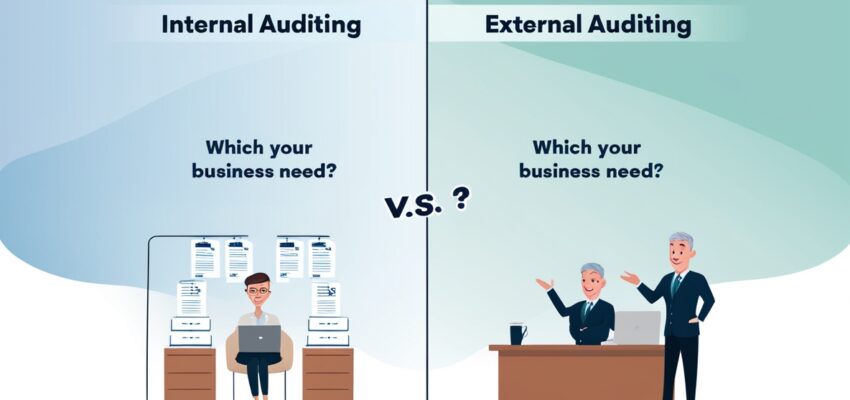
Key Differences Between Internal and External Auditing: Which Does Your Business Need?
Audits are essential for assessing the accuracy and compliance of a company’s financial practices, but not all audits serve the same purpose. Internal and external audits have distinct goals, methods, and outcomes. Understanding the differences between the two can help business owners determine which is most appropriate for their current needs. Here’s a breakdown of what each type entails and when businesses might consider each.

What is an Internal Audit?
An Internal Audit is a self-evaluation process that provides an organization with insight into its operations, financial health, and regulatory compliance. These audits are conducted by internal auditors or specialized teams within the organization.
Key Purposes of an Internal Audit:
- Risk Management: Internal audits help identify and mitigate potential risks within business operations, such as process inefficiencies, cybersecurity threats, and regulatory non-compliance.
- Process Improvement: These audits review business processes to ensure they’re running effectively and in line with company goals.
- Compliance Monitoring: Internal audits verify that the company complies with industry standards, regulatory policies, and internal protocols.
- Management Support: Internal auditors act as a support system for management, providing actionable insights for strategic planning and better decision-making.
When Should a Business Consider an Internal Audit? Internal audits are typically conducted on a routine basis, often annually or quarterly. Businesses should consider an internal audit when:
- They’re implementing new processes or systems that require oversight.
- They want to identify operational inefficiencies or areas for improvement.
- They need to ensure compliance with industry regulations and internal policies.

What is an External Audit?
An External Audit is conducted by independent, third-party auditors who evaluate a company’s financial records to ensure they are accurate and comply with accounting standards. The primary purpose of an external audit is to provide assurance to external stakeholders—like investors, creditors, and regulatory bodies—that the company’s financial statements are accurate and fair.
Key Purposes of an External Audit:
- Financial Accuracy: External audits verify that the company’s financial records are accurate and fairly represent its financial position.
- Transparency for Stakeholders: An external audit provides credibility, showing investors, lenders, and other stakeholders that the company’s finances are being managed responsibly.
- Regulatory Compliance: External auditors ensure that the company adheres to financial reporting standards and government regulations, such as GAAP or IFRS.
- Detecting Fraud: While not always their primary purpose, external audits can uncover signs of fraud or financial misconduct.
When Should a Business Consider an External Audit? External audits are typically required for publicly traded companies or companies seeking financing, but they can benefit other businesses as well. A business should consider an external audit when:
- It needs to provide verified financial information to potential investors or lenders.
- It’s preparing to go public or wants to increase its market credibility.
- It requires compliance verification for regulatory bodies or industry standards.
Key Differences Between Internal and External Audits
| Aspect | Internal Audit | External Audit |
|---|---|---|
| Conducted By | Internal auditors (employees or internal teams) | Independent third-party auditors |
| Purpose | Operational review, risk management, compliance | Financial accuracy, regulatory compliance, fraud detection |
| Focus | Processes, risk, compliance | Financial statements and accuracy |
| Frequency | Ongoing or periodic (quarterly, annually) | Typically annual |
| Reporting | Internal management | External stakeholders (investors, creditors, regulators) |
| Regulatory Requirement | Optional (except in some industries) | Mandatory for public companies |
| Cost | Typically lower, in-house | Generally higher due to external hiring |
Which Does Your Business Need?
- For Process Improvement and Risk Management: An Internal Audit is more appropriate. It helps you proactively manage risks, improve processes, and ensure compliance with internal and industry standards.
- For Credibility with External Stakeholders: An External Audit is essential if you need to provide stakeholders with an objective assurance of financial accuracy. This is often required for securing financing, attracting investors, or meeting regulatory requirements.
- For Large, Public, or Regulated Companies: Large companies or publicly traded businesses are often required to undergo both types of audits. Internal audits help with ongoing compliance, while external audits assure stakeholders of financial transparency.
- For Startups or SMEs: Small to mid-sized businesses (SMEs) or startups might start with internal audits to streamline operations and reduce risks, and only undergo external audits when seeking financing or expanding into regulated markets.
Conclusion: Choosing the Right Audit for Your Needs
Both internal and external audits play valuable roles in supporting a business’s financial health and credibility, yet they focus on different aspects. Internal audits offer an inward look, identifying areas for operational improvement, while external audits provide an independent assurance to stakeholders regarding the company’s financial integrity.
Consider the nature of your business, your goals, and your regulatory requirements when choosing which audit is right for you. An internal audit can foster internal growth and efficiency, while an external audit builds trust and credibility with external parties. Combining both, when feasible, provides a comprehensive approach to risk management, compliance, and financial health.

Tax Checkup for Startups: How to Save More on Your Taxes
Tax Checkup for Startups: How to Save More on Your Taxes
Running a startup comes with a unique set of financial challenges. Efficiently managing cash flow and minimizing tax liabilities are essential to sustain growth, and a Tax Checkup can be an invaluable tool to achieve this. Just like an annual physical checkup for your health, a tax checkup for your business helps you identify potential tax savings and ensures you’re maximizing deductions. Here’s a look at how a Tax Checkup can help startups save on taxes and the essential tips for optimizing your tax planning.
Why Startups Need a Tax Checkup
Startups are often unaware of the full range of deductions available to them or fail to take advantage of tax credits that could reduce their tax liability. A Tax Checkup can help with this by:
- Identifying Overlooked Deductions
Startups often miss out on deductions that could significantly reduce their tax liability. A tax checkup helps identify all eligible deductions, such as expenses related to research and development, employee training, or business-related travel. - Planning for Future Tax Obligations
By understanding your startup’s tax liabilities in advance, you can prepare a tax-saving strategy. This helps in making proactive decisions, like timing significant expenses to fall within the same tax year or adjusting business operations to benefit from favorable tax policies. - Avoiding Compliance Issues
Navigating tax regulations can be complicated for a new business. A tax checkup ensures that you’re meeting all compliance requirements, avoiding penalties, and positioning your startup for long-term growth. - Streamlining Cash Flow
By reducing your tax obligations, you can retain more of your income to reinvest into the business. This helps startups maintain a healthier cash flow, which is essential for scaling and managing operations effectively.
Top Tax-Saving Tips for Startups
Now, let’s dive into some actionable tax-saving tips that can help your startup make the most of a tax checkup and save on taxes.
1. Leverage Startup Costs Deductions
The initial costs of setting up a startup, such as legal fees, marketing expenses, and office setup, are deductible. Generally, the IRS allows startups to deduct up to $5,000 in startup costs and an additional $5,000 in organizational costs. Tracking and deducting these expenses can lead to significant savings in the early stages of your business.
- Pro Tip: Keep thorough records of all startup-related costs, especially in the first year, to take advantage of this deduction.
2. Utilize Research and Development (R&D) Tax Credits
If your startup focuses on innovation, the R&D Tax Credit can provide substantial tax savings. Expenses related to developing new products, software, or processes may qualify. This credit is particularly beneficial for tech and biotech startups.
- How It Helps: Qualified startups can offset a portion of their payroll tax liability by claiming the R&D Tax Credit. This helps save on payroll taxes and redirect those funds to further innovation.
3. Deduct Home Office Expenses
Many startups operate from home, especially in the initial stages. The Home Office Deduction allows you to deduct a portion of your household expenses if you use a specific area exclusively for business. This includes rent, utilities, and maintenance expenses.
- Pro Tip: To qualify, ensure that the designated area is solely used for business purposes and track related expenses carefully.
4. Write Off Business Equipment
The cost of office equipment, such as computers, furniture, and software, is deductible. Section 179 of the IRS tax code allows startups to immediately deduct the full cost of qualifying equipment in the year it’s purchased, instead of depreciating it over time.
- Example: If you purchase a $3,000 computer for your startup, you can deduct the full cost as a business expense, reducing your taxable income for that year.
5. Track Travel and Meal Expenses
If you travel for business meetings, conferences, or client visits, you can deduct travel-related expenses like airfare, lodging, and meals. For meals, the IRS typically allows a 50% deduction, making it essential to keep receipts and document the purpose of each meal for tax records.
- Pro Tip: Record the date, location, and business purpose of each travel or meal expense to substantiate your deduction if audited.
6. Benefit from Qualified Business Income (QBI) Deduction
Eligible startups organized as pass-through entities (like sole proprietorships, partnerships, or S corporations) can deduct up to 20% of their qualified business income under the QBI Deduction. This deduction can lower taxable income and maximize your startup’s earnings.
- Eligibility Note: The QBI Deduction has specific criteria based on income and business type, so consult with a tax advisor to determine your eligibility.
7. Consider Deducting Retirement Contributions
Contributing to retirement accounts, such as a SEP IRA or SIMPLE IRA, allows startup owners to save for the future while reducing taxable income. Contributions to these accounts are tax-deductible, and they also benefit employees if you choose to contribute on their behalf.
- Example: If you contribute $10,000 to a SEP IRA, you can reduce your taxable income by the same amount, lowering your overall tax burden.

Additional Strategies for Tax Planning Success
In addition to these deductions, here are some broader strategies that can help your startup maintain tax efficiency and maximize savings:
- Hire a Tax Professional: A tax expert specializing in startups can help navigate the complex tax landscape, ensuring compliance and identifying potential savings.
- Automate Expense Tracking: Use accounting software to track expenses and income regularly. This reduces errors and helps you claim every eligible deduction.
- Plan for Quarterly Tax Payments: If your startup has a steady income, plan to make quarterly tax payments to avoid penalties and manage cash flow better.
- Keep Up with Tax Law Changes: Tax policies change frequently, and staying informed ensures that your business remains compliant and can take advantage of new credits or deductions.
Final Thoughts
A Tax Checkup offers startups a proactive way to manage their tax obligations and minimize expenses. By identifying and utilizing deductions, planning for future expenses, and ensuring compliance, startups can build a solid financial foundation. These tax-saving tips, when used strategically, can reduce tax liabilities and free up funds to reinvest in business growth.
As your startup evolves, consider making tax checkups a routine part of your financial strategy. Not only does it boost financial health, but it also helps you keep your business on track for a prosperous future.

Why MSMEs Need a Business Health Checkup: A Step-by-Step Guide
Why MSMEs Need a Business Health Checkup For micro, small, and medium enterprises (MSMEs), sustaining growth and staying competitive requires more than just good products or services. A strong financial foundation and well-structured operations are equally important. But how can MSMEs assess their financial health and operational efficiency? That’s where a Business Health Checkup comes in. Much like a regular health checkup for individuals, a business health assessment helps MSMEs identify areas of strength, weaknesses, and opportunities for growth.
In this guide, we’ll explore the importance of a Business Health Checkup for MSMEs, the benefits it provides, and walk through the process step-by-step to help you understand how it can propel your business to success.
What is a Business Health Checkup?
A Business Health Checkup is a comprehensive financial and operational assessment that examines the various aspects of your business to determine its strengths and areas for improvement. It involves evaluating cash flow, profitability, compliance, internal processes, and overall financial management. For MSMEs, this checkup provides a clear picture of their current standing and future potential.

Why MSMEs Need a Business Health Checkup
Here are the top reasons why MSMEs should conduct regular business health assessments:
- Financial Clarity
Just like you need regular checkups to monitor your physical health, your business needs periodic assessments to stay financially fit. A health checkup can help MSMEs get a clear understanding of their current cash flow, revenue trends, and profitability. This ensures that business owners know exactly where their business stands financially and how they can optimize resources for better growth. - Identify Weaknesses and Risks
One of the biggest challenges MSMEs face is identifying potential risks before they become major issues. A business health checkup helps pinpoint areas where your business may be vulnerable, such as poor cash flow management, underutilized resources, or legal and compliance risks. Identifying these early gives MSMEs the chance to take corrective actions before the situation worsens. - Plan for Growth
Many MSMEs struggle to expand because they don’t have a clear roadmap for growth. A Business Health Checkup can reveal opportunities where your business can grow—whether it’s improving operational efficiency, targeting new markets, or increasing profitability. By identifying these areas, MSMEs can develop a strategic growth plan. - Improved Cash Flow Management
Cash flow is the lifeblood of any MSME. A health checkup will evaluate cash flow trends and reveal any issues related to liquidity, receivables, or payment delays. MSMEs can then take steps to improve cash flow management by optimizing payment terms, controlling expenses, and ensuring sufficient working capital. - Compliance and Legal Assurance
Many MSMEs inadvertently fall into legal and compliance issues due to a lack of oversight. A business health assessment can help ensure that your business is compliant with tax laws, labor regulations, and other legal requirements. This reduces the risk of fines or penalties, which can be particularly harmful to smaller businesses. - Boost Investor and Lender Confidence
If you’re seeking funding or loans, a solid business health report can provide the necessary confidence to investors or lenders. A transparent report outlining the financial strength and future potential of your business will showcase your readiness to manage and grow the capital received.

Step-by-Step Guide to Conducting a Business Health Checkup
Step 1: Review Your Financial Statements
The first step in any business health checkup is to analyze your financial statements, including balance sheets, profit and loss statements, and cash flow statements. This will give you insights into your business’s revenue, expenses, liabilities, and assets.
- Key Metrics to Assess: Profitability ratios, liquidity ratios, debt-to-equity ratio, and cash flow stability.
Step 2: Evaluate Cash Flow
Cash flow problems can hinder even the most successful businesses. As part of your checkup, monitor the inflow and outflow of cash to ensure that you have enough working capital to cover operational expenses.
- What to Look For: Patterns of late payments from clients, high expenses in certain areas, or declining cash reserves.
Step 3: Assess Operational Efficiency
Examine how efficiently your business runs. Are there areas where resources are underutilized, or where processes could be streamlined? Operational inefficiencies can drain time, energy, and finances from your MSME.
- What to Analyze: Employee productivity, inventory management, and supplier relationships.
Step 4: Ensure Compliance
Regularly review your business’s compliance with local, state, and federal regulations, including taxes, labor laws, and industry-specific standards.
- What to Check: Are you filing taxes on time? Are your financial reports accurate? Are you meeting labor law requirements?
Step 5: Perform a Risk Assessment
Every business faces risks, but identifying and mitigating them is key to long-term success. Conduct a risk assessment to identify financial, operational, and market risks that could impact your MSME.
- Types of Risks: Credit risks, market volatility, legal challenges, and supply chain risks.
Step 6: Set Goals for Improvement
After completing your checkup, set actionable goals for improvement. Whether it’s increasing revenue, cutting costs, or improving compliance, having clear, measurable objectives will ensure that your business stays on track.
- Examples of Goals: Increase profitability by 10% in the next quarter, reduce debt-to-equity ratio, or improve employee productivity through targeted training programs.

How a Business Health Checkup Can Help MSMEs Grow
A Business Health Checkup isn’t just about identifying issues; it’s about finding ways to unlock growth potential. By understanding where your business currently stands and setting measurable goals for improvement, you can optimize resources, avoid financial pitfalls, and position your MSME for long-term success.
Key Takeaways for Growth:
- Identify areas for cost savings: Optimize operational efficiency.
- Enhance decision-making: Use the insights from your financial health assessment to make data-driven decisions.
- Boost productivity: Streamline processes and improve resource utilization for better output.
- Improve profitability: Focus on areas that have the highest potential for profit growth.
Conclusion
For MSMEs, staying on top of financial and operational performance is essential for continued success. A Business Health Checkup offers valuable insights into the health of your business, helping you identify areas for improvement, manage risks, and seize growth opportunities. Regular assessments provide the foundation for making informed decisions that keep your business thriving.
Take control of your business’s future today by scheduling a Business Health Checkup and setting your MSME on the path to sustained growth and success!