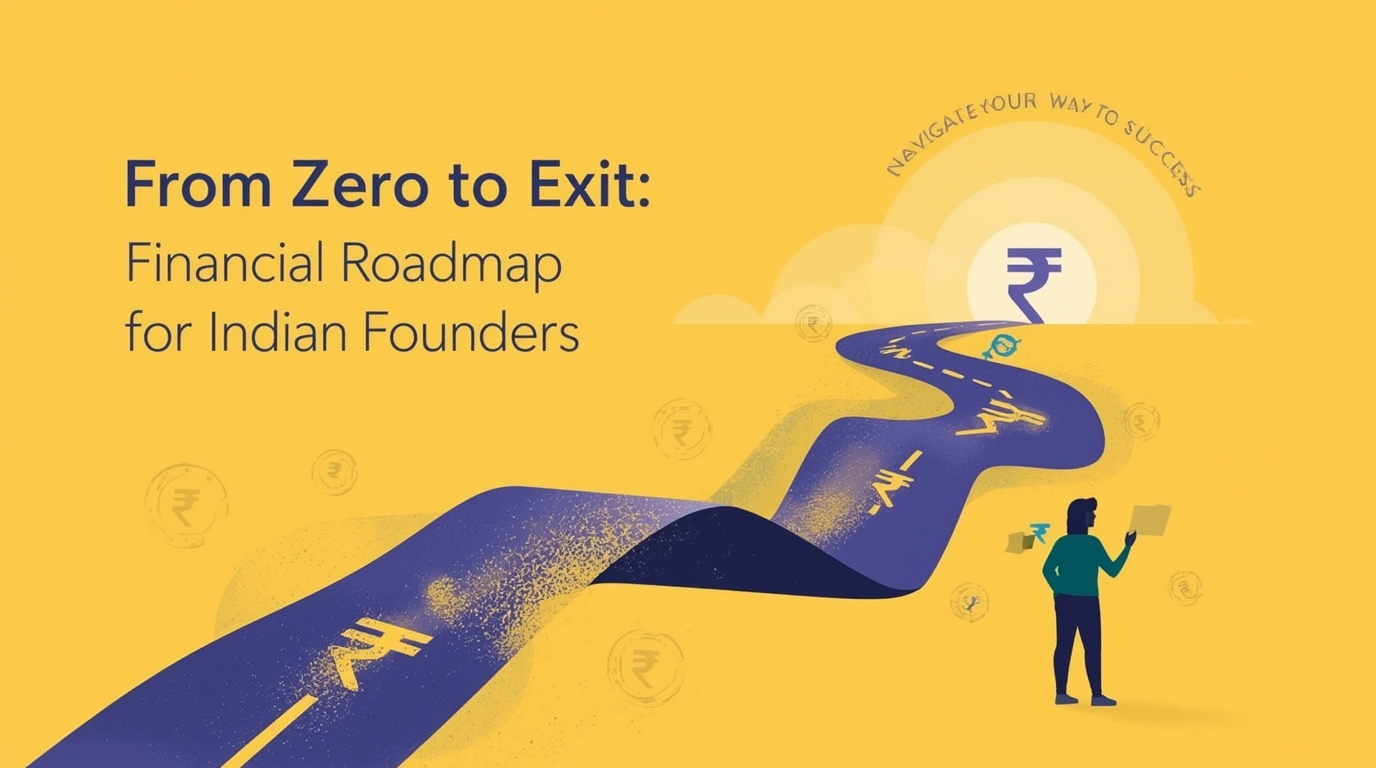
Top 7 Financial Mistakes First-Time Founders Make (And How to Avoid Them)

Starting up is exciting—but for first-time founders, the biggest challenge isn’t always building the product. It’s managing the money.
Many entrepreneurs focus on sales, growth, and marketing while overlooking financial planning, compliance, and cash flow. These mistakes can cost founders not just profits—but also credibility with investors and lenders.
In this blog, we’ll highlight the top 7 financial mistakes first-time founders make and share expert advice on how to avoid them in 2025.
✅ Mistake 1: Mixing Personal and Business Finances
Many founders use a single bank account for both business and personal expenses. This creates confusion during audits, tax filings, and fundraising.
How to Avoid It:
- Open a separate business current account.
- Pay yourself a defined salary or withdrawal.
- Maintain clean books of accounts.
✅ Mistake 2: Ignoring Compliance and Tax Filings
Delaying GST, TDS, or MCA filings leads to penalties and interest. Non-compliance also scares away investors during due diligence.
How to Avoid It:
- Hire a CA or Virtual CFO to stay on top of deadlines.
- Use accounting software for automated reminders.
- File returns on time—even if there’s no revenue.
✅ Mistake 3: No Financial Forecasting
Running a startup without forecasting is like sailing without a compass. Founders often underestimate expenses and overestimate revenues.
How to Avoid It:
- Prepare cash flow statements and financial models.
- Revisit projections every 3–6 months.
- Use forecasting tools or consult experts.
✅ Mistake 4: Mismanaging Cash Flow
Revenue ≠ Cash. Many startups fail because they run out of cash even when sales look strong.
How to Avoid It:
- Monitor burn rate and runway regularly.
- Negotiate better payment terms with clients/vendors.
- Keep at least 6 months of reserves for emergencies.
✅ Mistake 5: Overlooking Funding & Valuation Basics
Founders often raise funds at unrealistic valuations or give away too much equity early. This affects control and future funding rounds.
How to Avoid It:
- Understand pre-money and post-money valuation.
- Maintain a clean cap table.
- Consult with CAs and legal advisors before signing term sheets.
✅ Mistake 6: Not Planning for Taxes
First-time founders often ignore advance tax, GST credits, or deductions they are eligible for, ending up paying higher taxes.
How to Avoid It:
- Plan taxes quarterly, not just at year-end.
- Explore deductions for R&D, depreciation, and startup incentives.
- Register with DPIIT Startup India for tax benefits.
✅ Mistake 7: Avoiding Professional Help
Many entrepreneurs think they can “Google” everything. But financial missteps early on can lead to long-term damage.
How to Avoid It:
- Work with professional CAs, Virtual CFOs, or advisory firms.
- Outsource compliance if hiring in-house isn’t possible.
- Consider platforms like Expenect to connect with verified experts.
🚀 Conclusion
First-time founders often underestimate the importance of financial discipline. Avoiding these 7 mistakes will not only save money but also build a strong foundation for growth, funding, and eventual exit.
At Expenect, we help startups with compliance, tax planning, financial strategy, and Virtual CFO services—so founders can focus on building, while we handle the numbers.